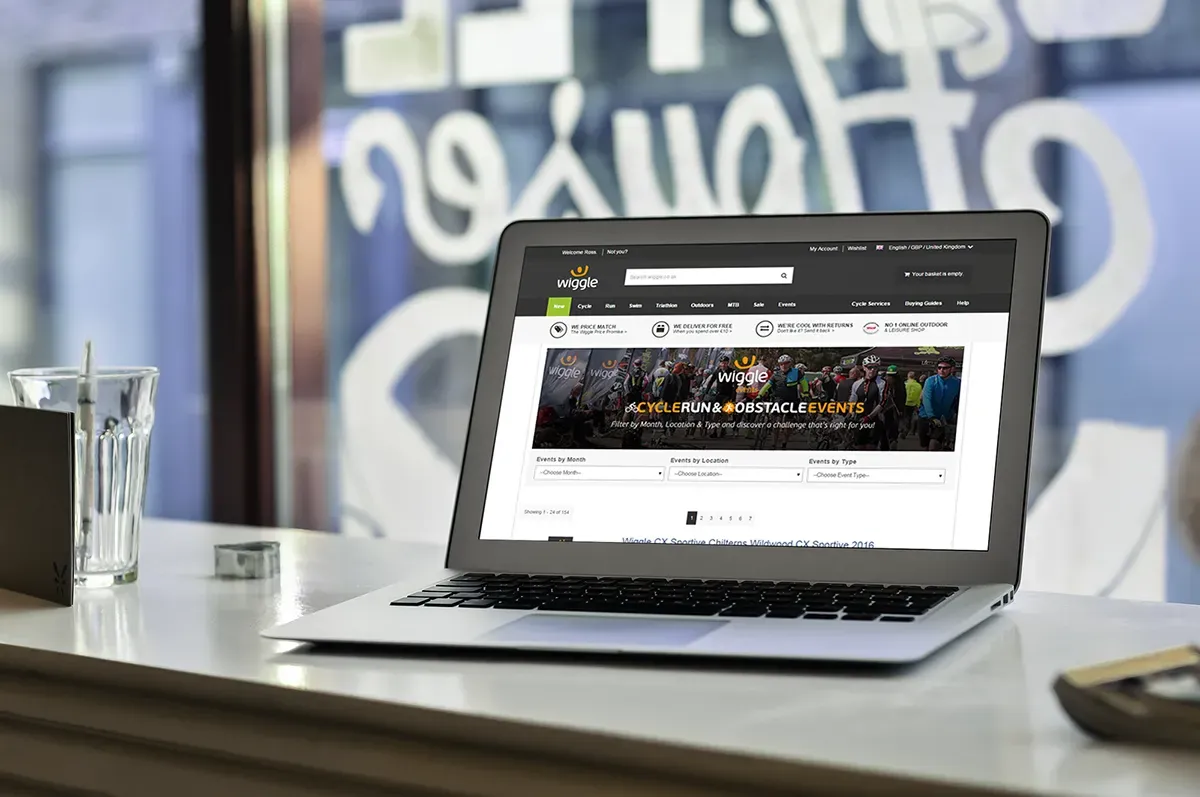
Creating a better way for cyclists to discover and book Wiggle events - 2016
Meeting user needs with Wiggle events.


As Senior UX Designer at Wiggle, I am responsible for developing the user experience of the Wiggle website across all customer contact points. I define the usability and interaction strategy; proposing solutions that promote user needs and take into account business goals, including conversion and optimisation.
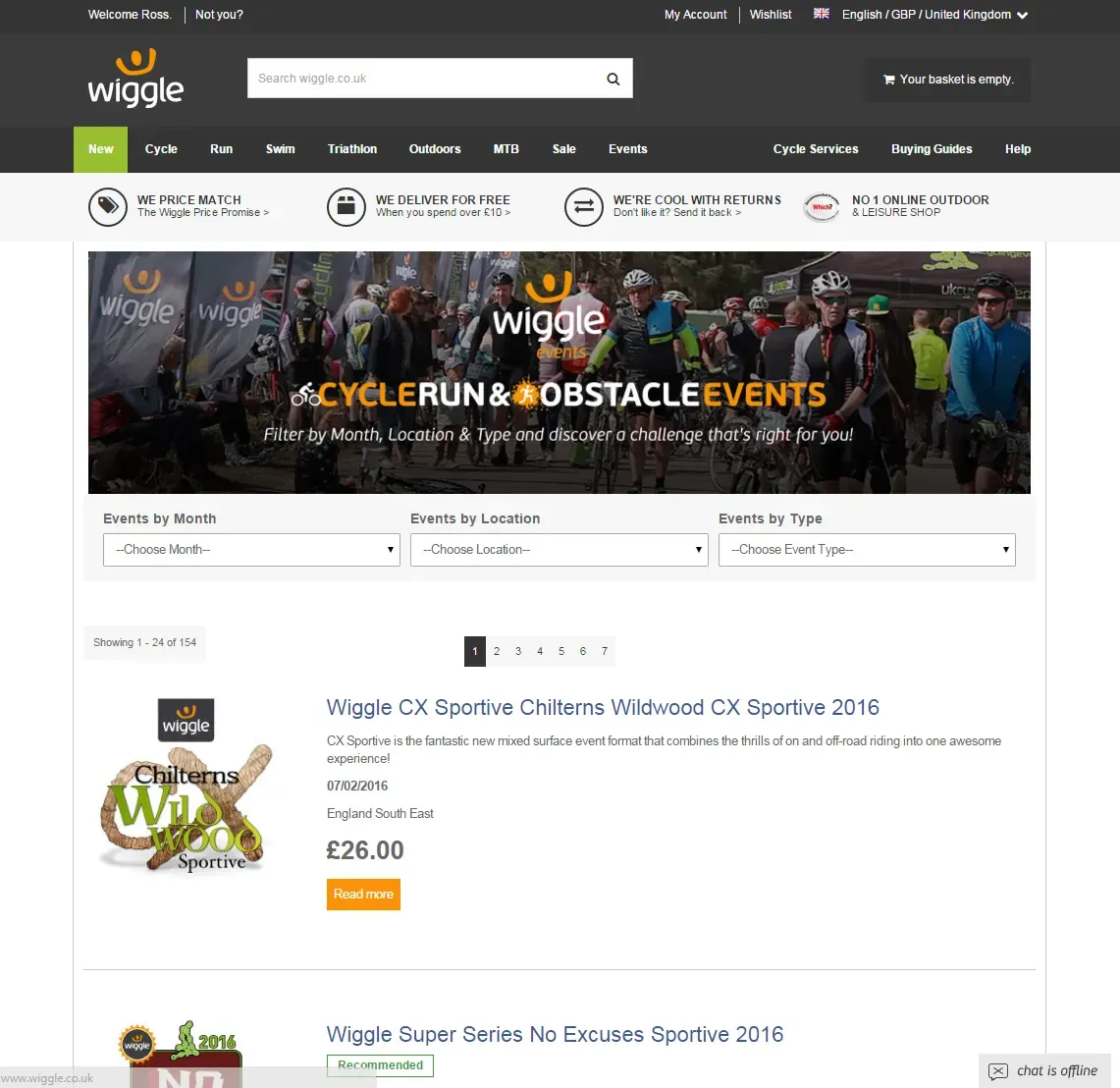
When the Wiggle website was setup, selling events wasn’t on the radar. When we did add events to the site, they were treated like any other product, with some key usability issues.
We had the brief to design an events calendar that met user needs over current functionality on the core site
- Duration and Team: 6 weeks, 1 designer, 2 developers
- Tools: Pen and Paper, Realtime Board, Twitter Bootstrap, PowerPoint
Discovery and definition
We started by understanding who we were designing for. By crafting user personas, we were able to start designing for real users and target their motivations, goals and frustrations.
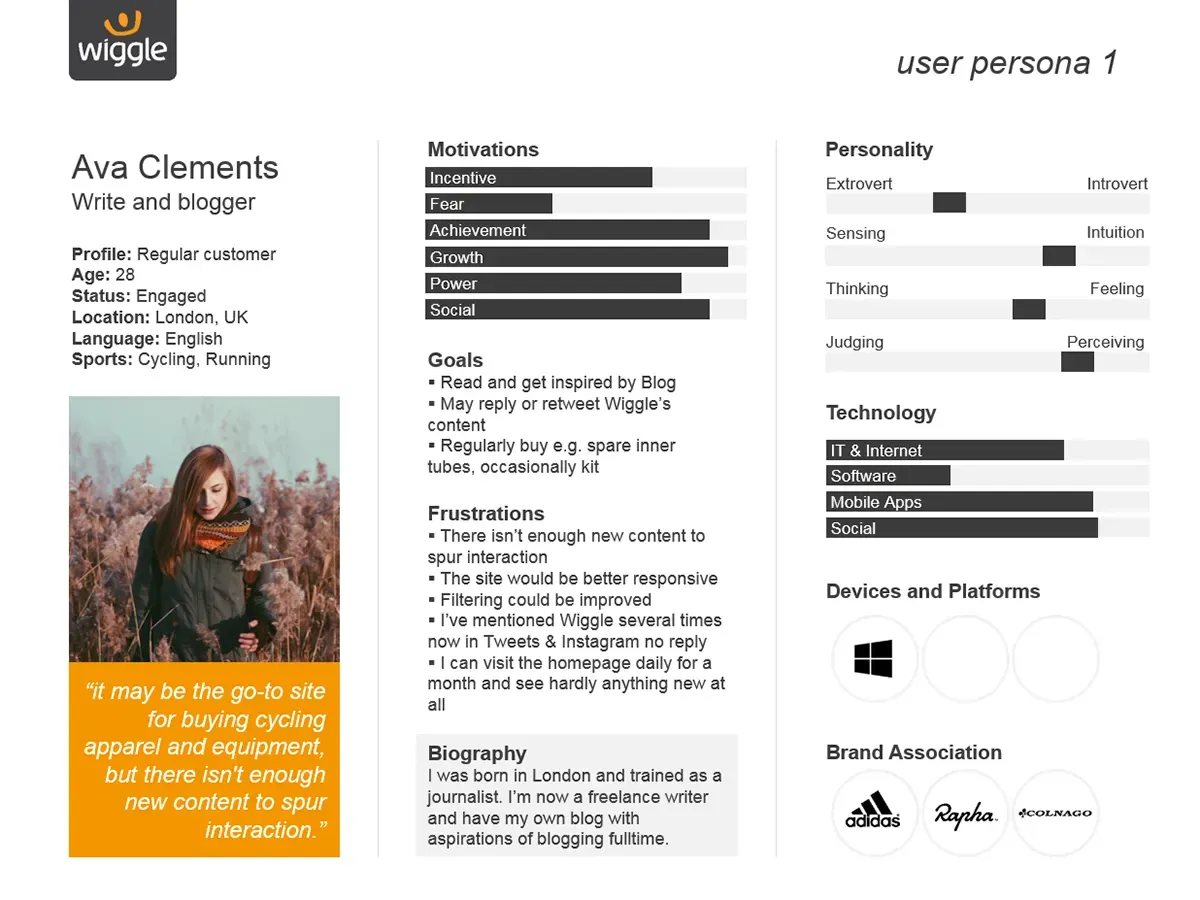
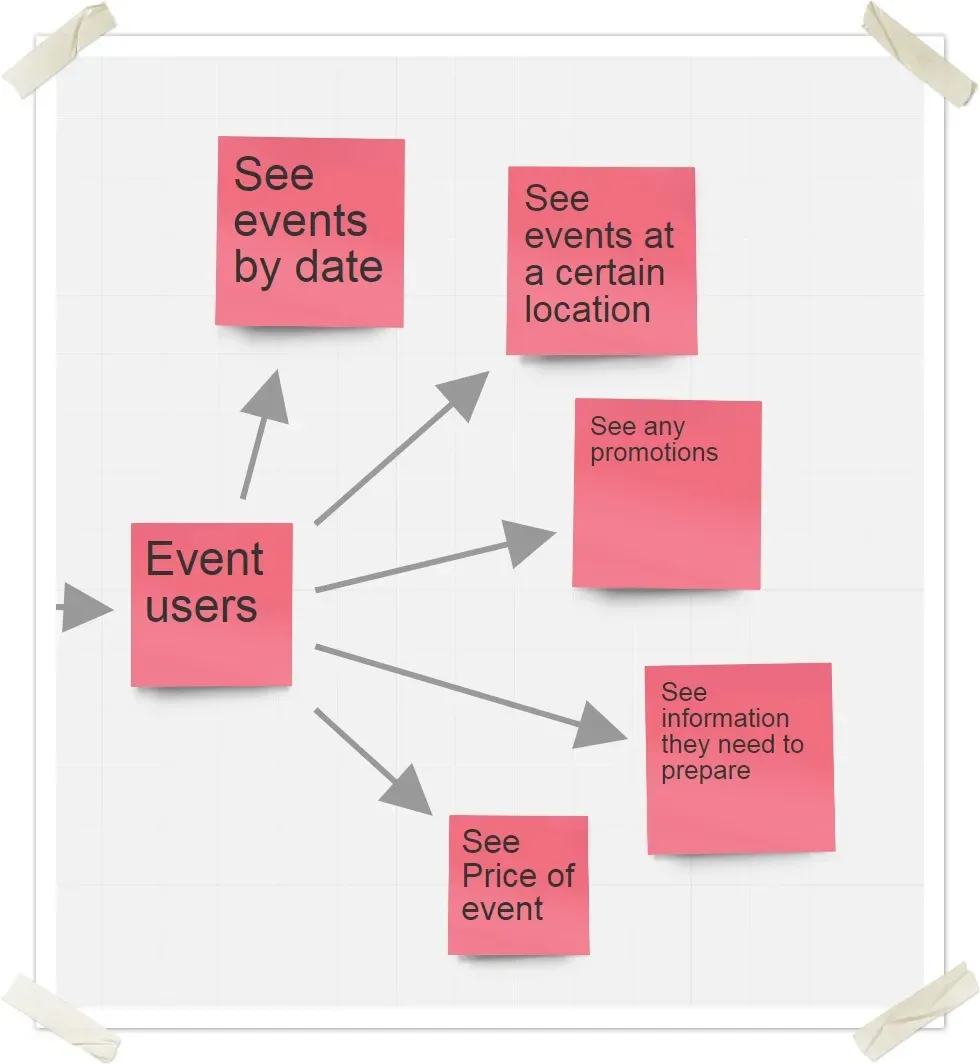
Where improving areas of the site we understand the current user journey and the things that users deem necessary.
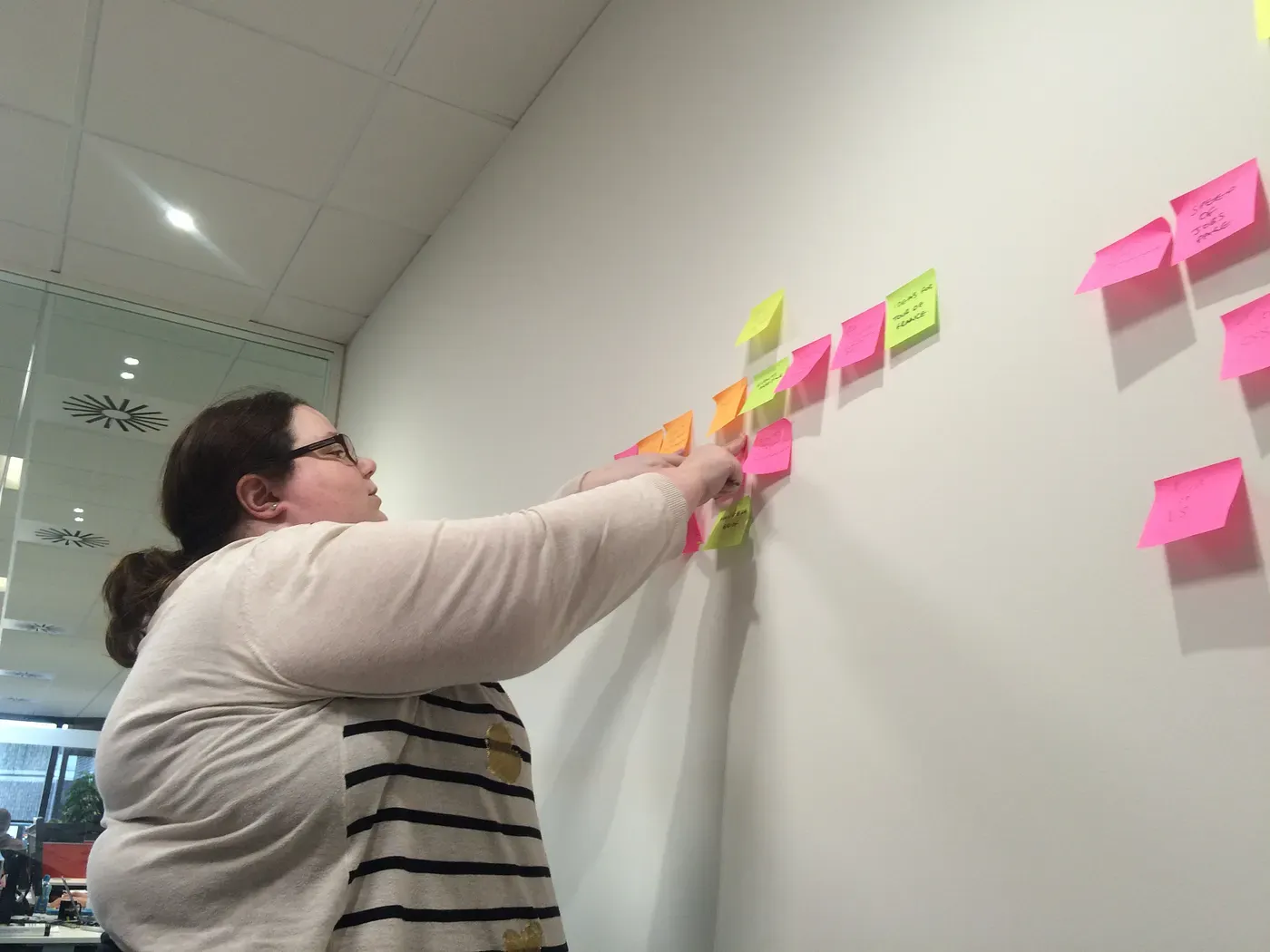
Design and testing
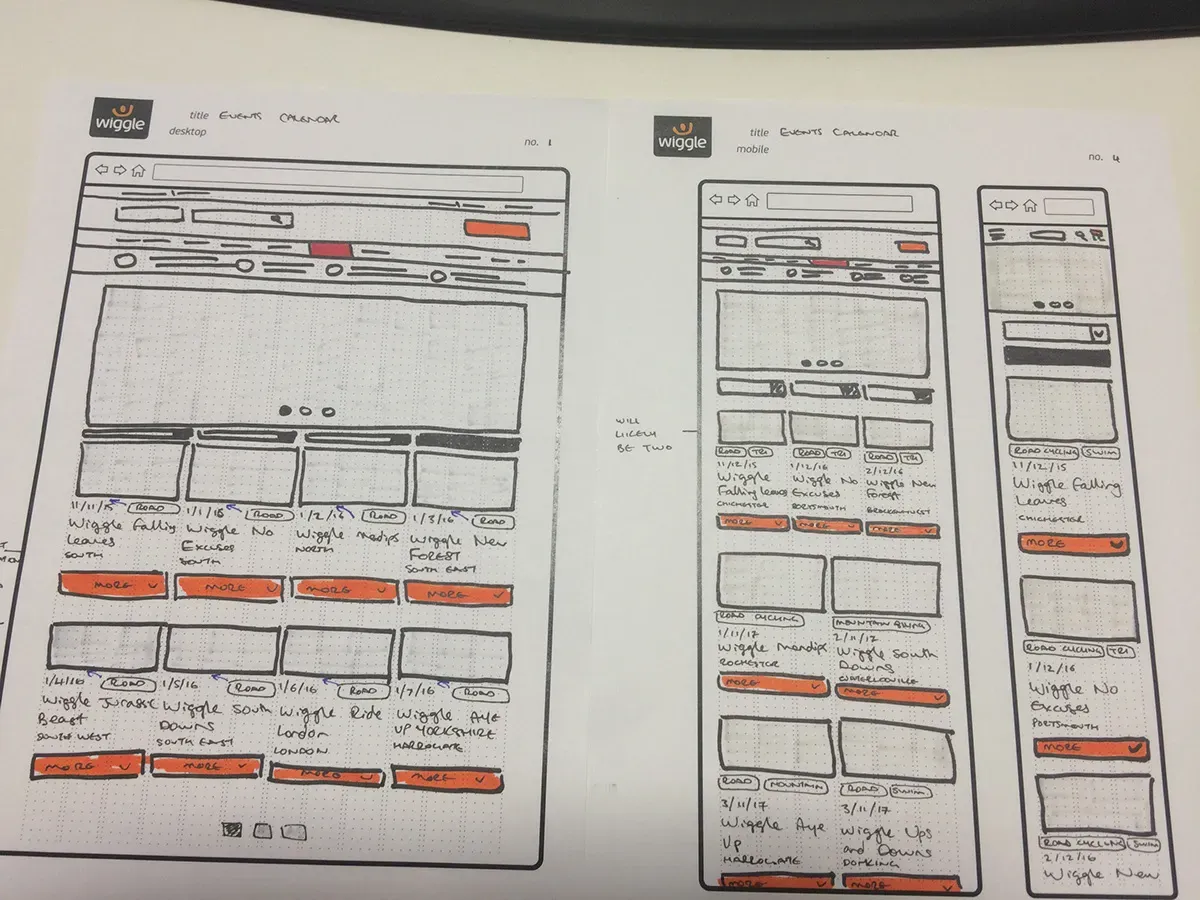
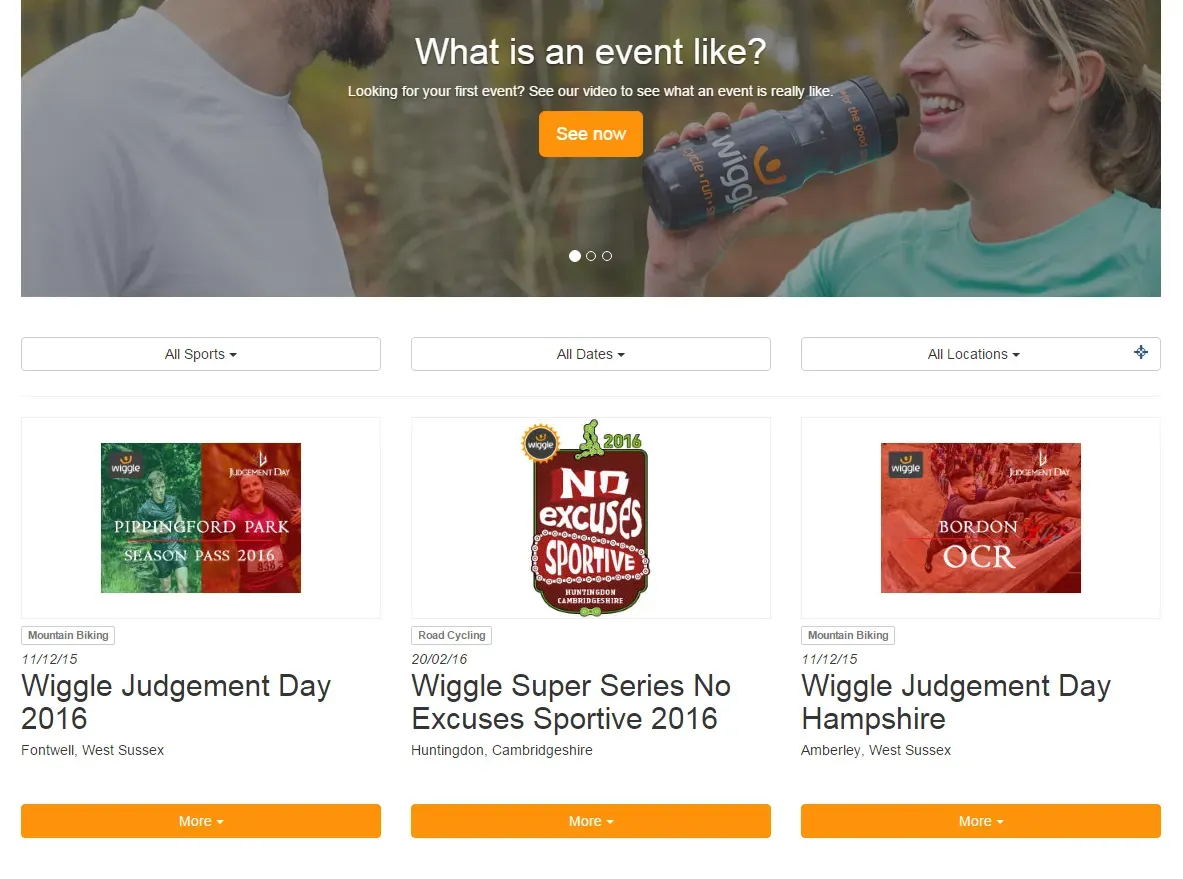
Once I understood more about the user, I started designing iterations of a design. I first sketch wireframes, then bring them into code with Twitter Bootstrap, to communicate with stakeholders my design decisions. Over time, I’ll integrate this with the live CSS to more accurately show how the solution will work.
All the while, I’m updating a Style Guide. Once mature, this will be a simple place to grab code snippets to build a prototype. I want to be able to build a prototype collaboratively with the product owner — demystifying the process. The focus here is speed, iterating early and getting it in front of staff (and users) early on.
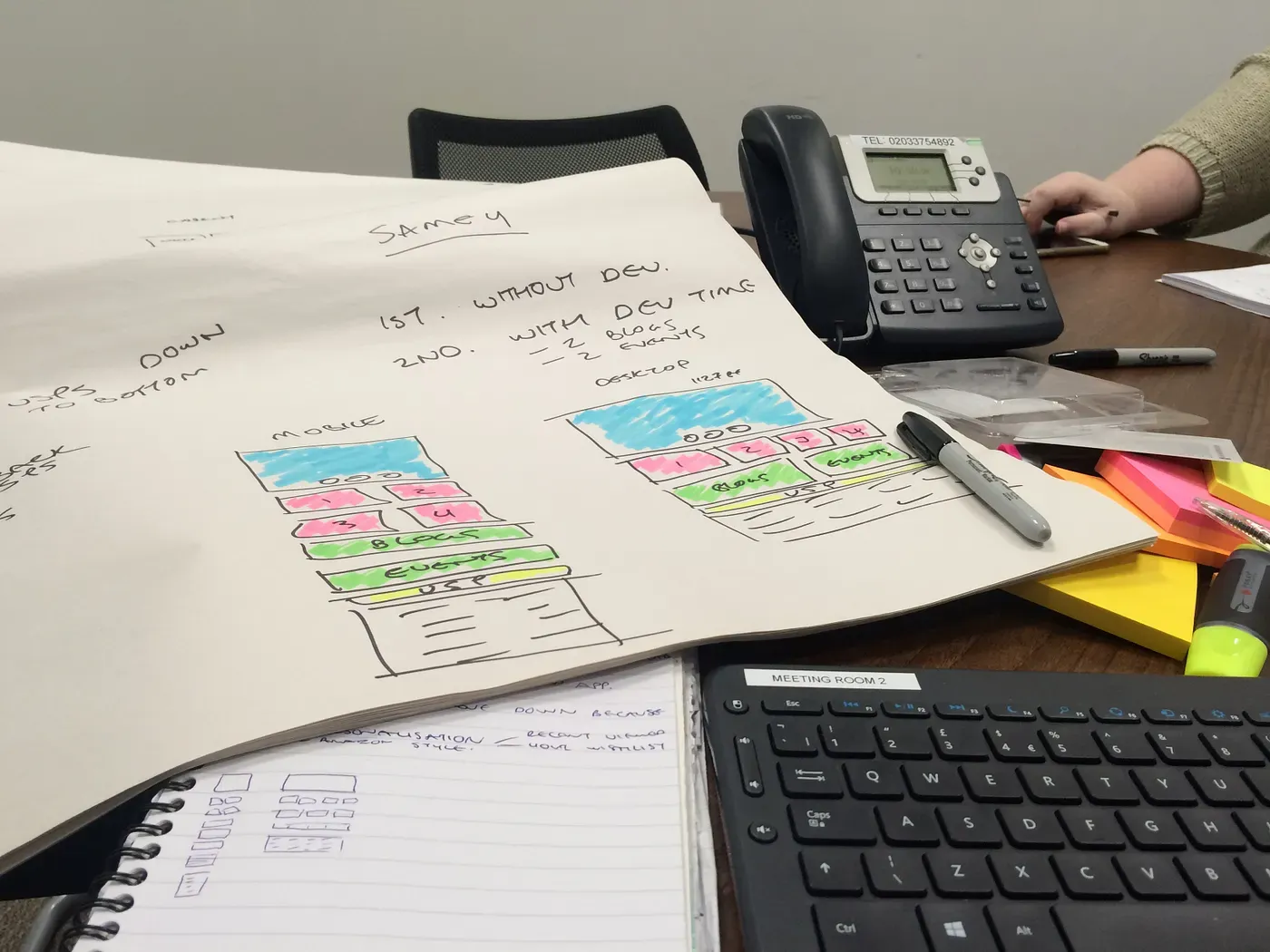
We found at quite early on that date, location and event type were the most important filters. Price was pretty uniform across the events, so we decided to hide that for now and bring it back if needed.
Development
The designs then went into code, working with Wiggle’s API to power the listings.
Retrospective
The first iterations of our work went live just before December 2015, with a view to iterate based on user data over the New Year.